
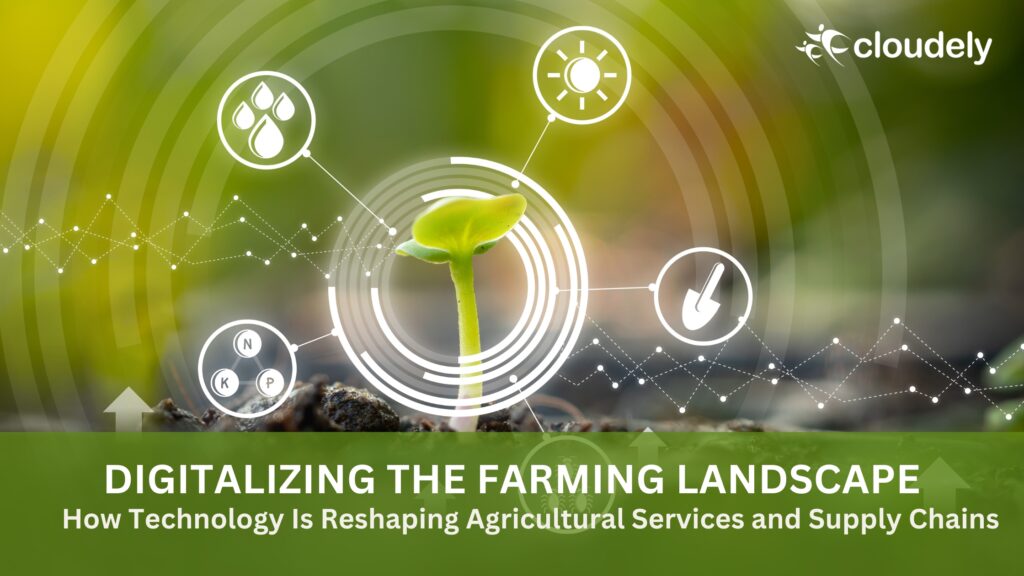
Agriculture is entering a new digital era. Technologies that were once science fiction are becoming a reality on farms worldwide. Precision farming tools, drones, automation, sensors, and big data analytics fundamentally change how crops are grown and monitored. This digital transformation is excitingly reshaping the agricultural services industry and supply chains. It promises to boost economic prosperity, enhance sustainability, and feed a growing global population.
The Need for Technology in Agriculture
Technology can enable sustainable intensification through:
- Precision Agriculture: Targeted use of inputs like water and fertilizers based on real-time field data. Improves productivity while conserving resources.
- Mechanization and Automation: Deploying robots, drones, and sensors reduces labor costs and human errors.
- Enhanced Traceability: Tracking produce from farm to farm using blockchain improves transparency in supply chains.
- Access to Information: Digital advisory services provide timely insights on weather, pests, and market prices to aid decision-making.
- Financial Inclusion: Fintech platforms facilitate smallholder farmers’ access to credit and insurance.
Building Competitive Advantage with Technology
Leading agribusinesses worldwide are embracing technology to gain a competitive edge. Their tech-enabled strategies include:
Precision Farming for Productivity Gains
Precision farming relies on GPS and GIS systems, variable-rate technology, drones, and sensors to gather hyperlocal data on soil conditions, microclimates, and crop performance. Farmers can then use this geo-referenced information to vary application rates across their fields, applying only the necessary amount required for optimal crop growth and yield.
Studies have shown precision farming can boost productivity while reducing environmental impact through more efficient use of inputs. Israel’s Precision Agriculture Initiative is a great example – since 2008, it has helped Israeli farmers save more than $2 billion and cut chemical use by 30% through precision techniques.
Building Trust through Enhanced Visibility
Lack of coordination among actors in agricultural supply chains results in gluts and shortages. It also leads to opacity, allowing food frauds to thrive. Blockchain establishes a transparent, tamper-proof record of transactions by giving equal access to an immutable ledger.
For instance, banana farmers in Laos worked with German enterprise SAP to develop a blockchain system. Customers can now trace their purchase back to the plantation by scanning a QR code. Such end-to-end traceability builds consumer trust in brands while eliminating revenue leaks.
Data-driven Advisory Services
Digital advisory platforms leverage weather forecasts, market rates for commodities, disease outbreak alerts, and other data points to provide customized recommendations to farmers. These include the ideal time for undertaking tasks like sowing, applying fertilizers, and harvesting. Adopting such advice can enhance yields and profits substantially.
For example, CropIn offers an AI-powered innovative farm solution combining predictive analytics with IoT integrations. It guides input usage, credit requirements, and demand-supply dynamics. Farmers using this system have achieved a 10-30% increase in productivity and income. As digital advisors scale operations, more food growers will benefit from data-driven decision support.
Improving Supply Chain Efficiency with Digital Platforms
Digital marketplaces are helping transform inefficient, traditional farm supply chains. The Indian government’s e-NAM portal, for example, networks regulated wholesale agricultural markets on a single online platform. It brings greater price transparency while eliminating intermediaries through direct farmgate-to-trader trading. Using mobile money and analytics, Kenya’s Twiga platform facilitates supply chain financing and fresh produce logistics from rural farms to urban vendors. Blockchain applications also promise to enhance supply chain traceability and decentralize finance flows.
This digital supply chain visibility benefits participants across the board. Processors and distributors see current inventory levels and transportation delays, enabling dynamic planning and reduced waste. Exporters gain transparency into the movements of goods and certification compliance. Financial institutions access detailed yield projections to provide customized insurance or loans. Governments oversee compliance with food safety standards. Consumers learn about the origins of their food and trace contaminations promptly.
Smarter Warehousing and Distribution
With global supply chains growing more complex, innovative warehousing and distribution solutions are imperative for efficiency. Connected storage infrastructures like temperature and humidity-regulated silos prevent spoilage of perishable produce.
Real-time tracking devices attached to transport vehicles give end-to-end visibility, eliminating losses in transit. Retailers are also testing hi-tech options like drone delivery and autonomous vehicles to get fresher farm items to shop shelves faster.
For example, Uber innovates around rapid grocery drone delivery in the US for eventual last-mile transport. As logistics infrastructure upgrades, it will minimize wastages across agricultural value chains.
Expanding Financial Inclusion
Smallholder farmers often need more collateral and verifiable financial history to access formal credit. Fintech innovations like alternative credit scoring models and mobile banking are overcoming this obstacle.
Nigerian startup Farmcrowdy allows investors to sponsor production costs for vetted farmers. The sponsor receives a share of harvest profits without directly engaging in farming. Such platforms promote the financial inclusion of agriculture by connecting lenders and borrowers digitally. Insuring crops against weather vagaries also protects farmers from losses and shocks.
Overcoming Barriers to Realize Full Potential
However, there are roadblocks hampering technology uptake, including:
- Initial Costs: Cash-strapped small farms need help to invest in modern infrastructure.
- Technical Literacy: Complex data systems intimidate farmers without digital skills.
- Fragmented Landholdings: Tiny family-run plots need economies of scale.
- Supporting Infrastructure: Remote regions lack internet connectivity or electricity.
- Social Attitudes: Traditions and lack of exposure to technology trigger resistance.
Governments must address these barriers through subsidized loans, digital literacy programs, incentives for consolidation, and infrastructure upgrades. Simultaneously, agri-tech innovators must develop affordable, user-friendly solutions tailored for small farmers. Building an agri-entrepreneur ecosystem will also promote technology adoption.
Agriculture Gets a Digital Overhaul
The future remains bright as partnerships across sectors harness technologies responsibly and for the benefit of all. With open-source data exchanges, transparent regulations, and enterprise models supportive of communities, digital tools will optimize sustainable productivity from constrained farmlands to nourish expanding populations securely.
Young people worldwide exhibit enthusiasm for smart agriculture, reducing drudgery, too. The ability to feed future generations rests on accelerating this digital revolution through collaborative spirit and prudent innovations respecting social and environmental well-being. The journey has just begun as the landscape of farming operations, service industries, and livelihoods embraces exciting possibilities of the digital age.