

Artificial intelligence is often discussed through the lens of innovation, productivity, and competitive advantage. Yet beneath the excitement surrounding new models, autonomous agents, and enterprise adoption lies a more fundamental question: Are we prepared for the consequences of the technology we are creating?
That question formed the foundation of a thought-provoking discussion on Cloudely Conversations, where Dr. Cindy Gordon, Founder and CEO of SalesChoice and author of The AI Precipice, joined Salesforce community leader and Founder of Midwest Dreamin’ – one of the Salesforce ecosystem’s largest community-led conferences, Eric Dreshfield and Cloudely Founder and CEO Suren Reddy Katta to explore the realities shaping the next chapter of AI.
The conversation moved beyond technology trends and product announcements. Instead, it focused on the broader forces influencing AI adoption, from evolving regulations and governance challenges to workforce disruption, community responsibility, and the need for human-centered leadership.
At a time when organizations are racing to integrate AI into every aspect of business, the discussion served as a timely reminder that technological progress and societal readiness are not always moving at the same pace.
Why “The AI Precipice”?
The title of Dr. Cindy Gordon’s latest book, The AI Precipice, is more than a metaphor. It reflects a critical moment in the evolution of artificial intelligence.
According to Cindy, organizations today are standing at the edge of a transformative shift. AI capabilities are advancing rapidly, but the frameworks required to govern them responsibly are still developing. Around the world, governments and regulatory bodies are taking different approaches to AI legislation, creating a fragmented landscape that businesses must navigate carefully.
For organizations operating across multiple regions, compliance is becoming increasingly complex. Leaders must understand not only how AI can create value, but also how emerging regulations, ethical considerations, and governance requirements may impact deployment decisions.
The challenge is not simply adopting AI. It is adopting AI responsibly.
The Workforce Transformation Ahead
One of the most significant themes discussed was the future of work.
While AI promises substantial gains in productivity and efficiency, it is also expected to reshape many traditional roles and workflows. The discussion highlighted the reality that some jobs will change dramatically, while entirely new roles will emerge.
This creates an urgent need for workforce readiness.
Educational institutions, businesses, and policymakers all have a role to play in preparing individuals for an AI-driven economy. Upskilling, reskilling, and continuous learning are no longer optional initiatives. They are becoming essential business strategies.
Organizations that invest in workforce development today will be better positioned to adapt to tomorrow’s changes.
The Role of Community in an AI-Driven World
Eric Dreshfield brought a unique perspective to the conversation through his years of experience building and supporting professional communities.
While technology conversations often focus on systems and automation, Eric emphasized the importance of people. Communities provide a place where professionals can learn, share experiences, ask questions, and navigate uncertainty together.
As AI solutions becomes more deeply embedded into business operations, communities will play an increasingly important role in helping individuals understand how their jobs are changing and how they can continue to create value.
Technology adoption is not solely a technical challenge. It is a human challenge.
The organizations and ecosystems that successfully embrace AI will be those that create environments where learning and collaboration can thrive.
Keeping Humans at the Center
A recurring theme throughout the discussion was the importance of maintaining a human-centered approach to AI.
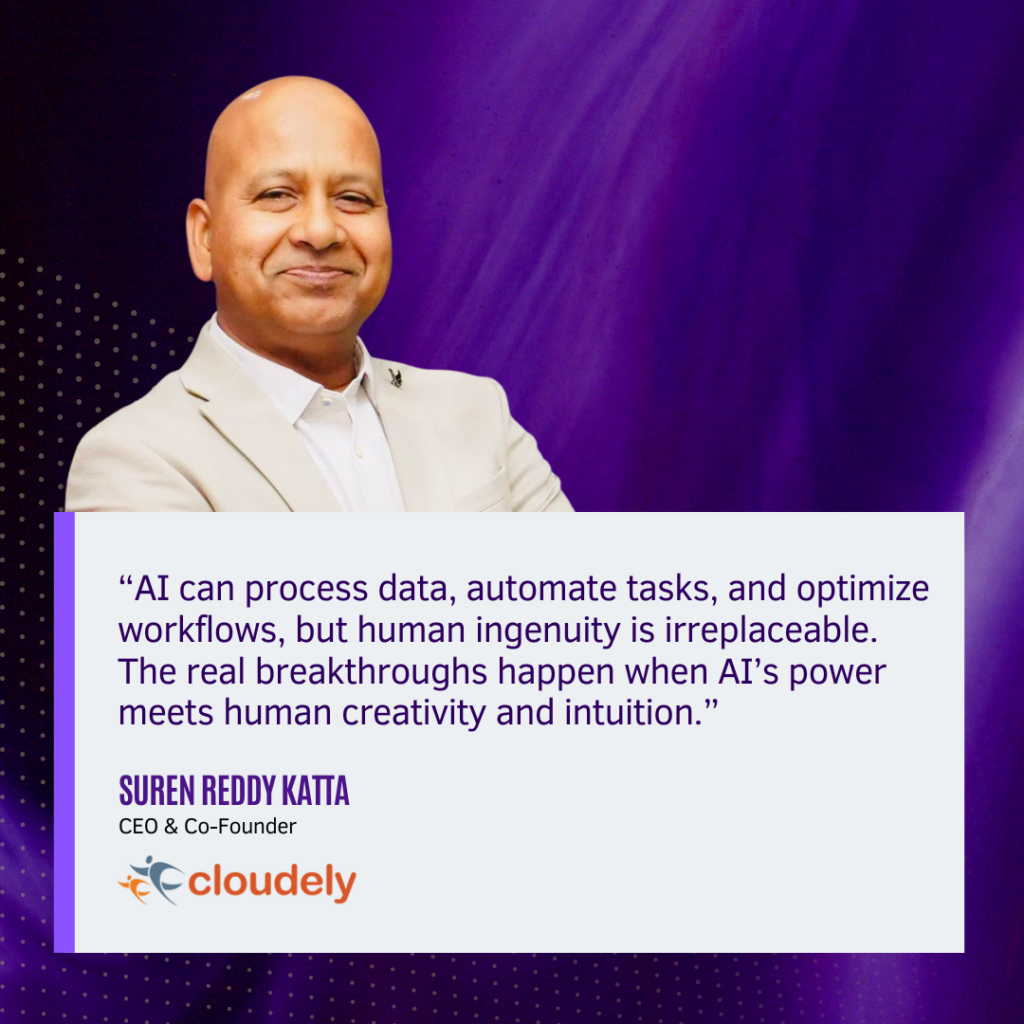
Artificial intelligence can automate tasks, analyze vast amounts of information, and support decision-making. However, judgment, empathy, ethics, creativity, and human relationships remain critical components of leadership and business success.
As organizations pursue greater automation, they must avoid viewing AI as a replacement for human insight.
Instead, the most successful implementations will be those that use AI to augment human capabilities, enabling employees to focus on higher-value work while maintaining accountability and trust.
This balance between technology and humanity may ultimately determine the long-term success of AI initiatives.
Leadership in the Age of AI
The conversation also underscored the growing responsibility of business leaders.
Today’s executives are not simply making technology decisions. They are shaping how AI influences employees, customers, partners, and society as a whole.
Leadership in the AI era requires more than technical understanding. It demands thoughtful decision-making around governance, transparency, workforce impact, and organizational culture.
The questions leaders must address are becoming increasingly complex:
- How do we innovate responsibly?
- How do we maintain trust while accelerating adoption?
- How do we prepare our workforce for change?
- How do we ensure that AI aligns with organizational values?
- How do we balance efficiency with human impact?
These questions will define the next generation of business leadership.
Looking Beyond the Technology
Perhaps the most important takeaway from the discussion is that AI is no longer just a technology conversation.
It is a conversation about leadership.
It is a conversation about trust.
It is a conversation about people.
The future of artificial intelligence will undoubtedly bring extraordinary opportunities for innovation and growth. Yet the organizations that thrive will be those that recognize that technology alone is not enough.
Success will depend on thoughtful governance, continuous learning, strong communities, and a commitment to keeping people at the center of every decision.
As AI continues to reshape industries and redefine the future of work, leaders have an opportunity and a responsibility to ensure that progress is guided by purpose, accountability, and human values.
The precipice is here. The decisions we make today will determine what lies beyond it.